
Regular 87 is the right gas for every RAV4 from 2019 to 2026, gas, Hybrid, Prime and the 2026 Plug-in Hybrid. Toyota's owner's manuals say "87 (Research Octane Number 91) or higher," and premium doesn't help a RAV4 in mpg, power or cleanliness. The thing worth choosing is the station: Toyota "strongly recommends the use of Top Tier Detergent Gasoline," and at a Top Tier brand like Costco, ARCO, Chevron or Shell, regular 87 carries that same extra cleaner.
Most of us have stood at the pump, hand over the premium button, wondering if regular is really good enough for the RAV4. Regular is good enough, and the evidence behind that answer is strong.
Below I'll go through what octane actually is and what the best measured tests found. I'll also explain why the RAV4's engine is happy on 87, and why the gas station brand matters more than the grade. Then I'll answer the popular videos that lean toward premium.
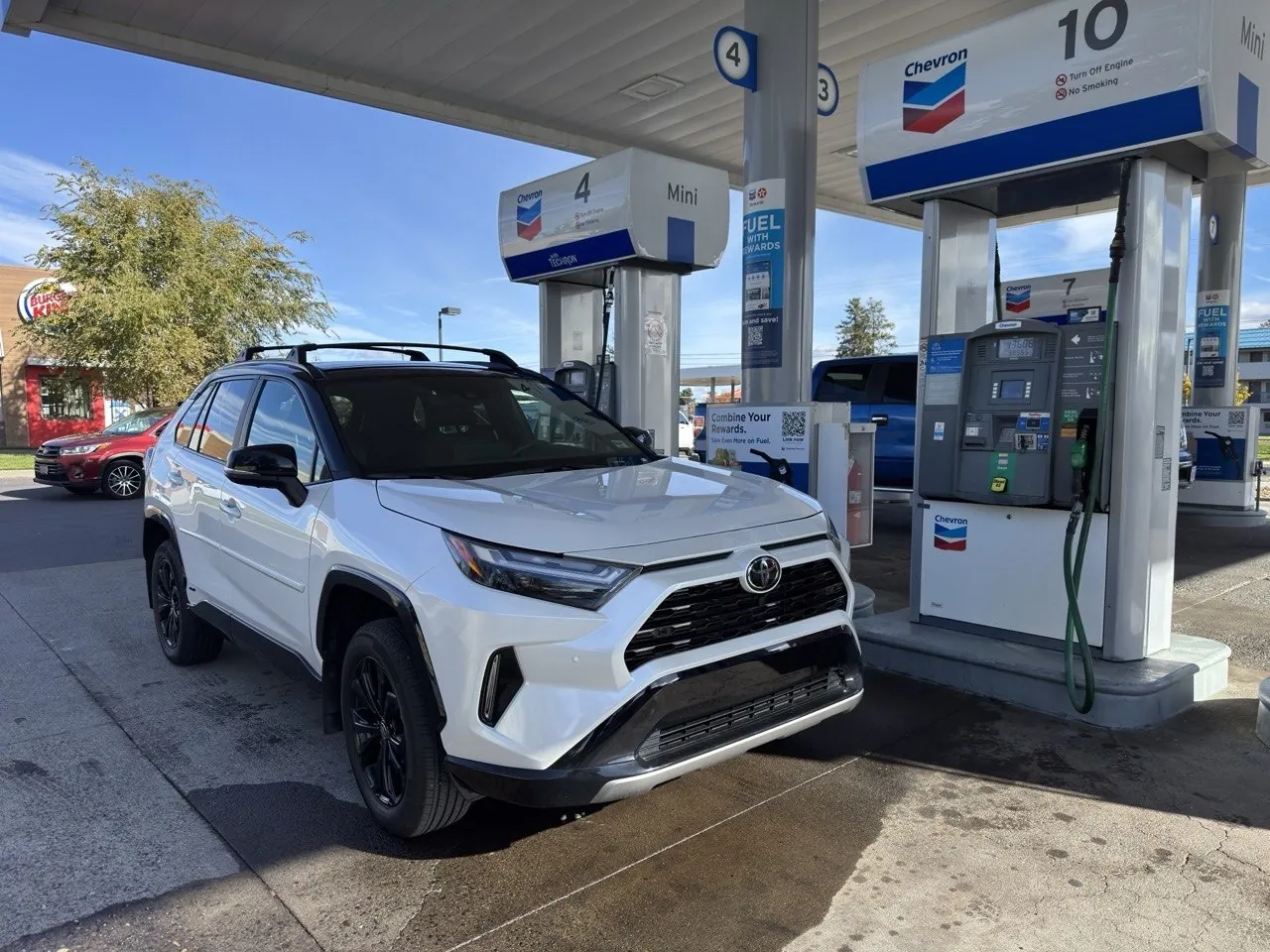
Filling up my 2025 RAV4 Hybrid XSE at Chevron.
What gas does a RAV4 take?
Every RAV4 owner's manual from 2019 to 2026 uses the same fuel wording. That covers the gas RAV4, the RAV4 Hybrid, the RAV4 Prime and the 2026 RAV4 Plug-in Hybrid. Here's what the manual for the 2023 to 2025 RAV4 Hybrid says:
- Octane. "Select octane rating 87 (Research Octane Number 91) or higher."
- Ethanol. "Use only gasoline containing up to 15% ethanol." The manual says never to use flex fuel or E85.
- Detergent. "Toyota strongly recommends the use of Top Tier Detergent Gasoline."
- Brand. "In very few cases, driveability problems may be caused by the brand of gasoline you are using. If driveability problems persist, try changing the brand of gasoline."
So the "or higher" part means premium gas is allowed, and premium won't hurt anything or affect the warranty. Keep in mind that premium just doesn't buy you anything in a RAV4. Toyota's own hybrid fueling video says the same thing in plain words: "all you need is regular 87-grade gasoline."
The RAV4 Hybrid's 14.5-gallon tank is the same size as the gas RAV4's tank. And my RAV4 Hybrid gas tank guide covers how far a tank really goes.
What octane actually is
Octane is a measure of how well gas resists lighting on its own before the spark plug fires. When a pocket of fuel and air explodes on its own under heat and pressure, that's called knock, and you hear it as a pinging sound.
Octane isn't a measure of energy, power or cleanliness. A higher octane number just means the gas resists knock better.
If you open your RAV4's owner's manual, it asks for gas rated "87 (Research Octane Number 91) or higher." That 91 can make it look like Toyota wants 91 octane, which is premium at a US pump. It doesn't.
Both numbers describe the same regular gas. Octane can be measured in more than one way, a bit like temperature can be given in Fahrenheit or Celsius. US pumps use a method that shows regular as 87. Most other countries use a method that gives the same gas a higher number, about 91. Toyota prints both so the manual makes sense in either place.
So at a US pump, the manual is asking for regular 87.
At US pumps, 87 is regular, 89 is midgrade, and 91 to 93 is premium. In Oregon and most of the West, the top grade at the pump is 91.
Does premium give a RAV4 better mpg or more power?
No, premium gas won't give your RAV4 better mpg or more power. Nobody has published a measured octane test on a RAV4 itself, so the best evidence comes from careful lab tests of similar cars.
AAA's 2016 premium fuel study ran three cars built for regular gas on a lab dynamometer, using certified 87 and 93 gas, both with 10% ethanol. The cars were a Toyota Tundra V8, a Dodge Charger V6 and a Mazda3 four-cylinder. Here's what AAA found:
- MPG. Premium changed mpg by an average of 0.21%. The same car on the same gas varied 0.05% to 2.28% from one run to the next. That means the premium difference was smaller than the normal run-to-run difference.
- Power. "No consistent differences in maximum horsepower were recorded."
- Emissions. "No consistent differences were recorded."
The Mazda3 is the car that matters most for us here. It's a high-compression four-cylinder built for regular gas, which makes the Mazda3 the closest of the three to the RAV4's engine. And the Mazda3 showed no mpg gain on premium.
Consumer Reports' 2016 test went further. Consumer Reports ran two cars that recommend premium on regular instead, and found no mpg difference and identical 0 to 60 times. Consumer Reports said "we did not experience any engine pinging or knocking noise in either car when using regular fuel." If cars that recommend premium are fine on regular, a RAV4 that calls for regular is well inside that.
Owner reports on gas grade are thin and mixed. Across RAV4, Prius, Tacoma, 4Runner, Land Cruiser and Lexus forums, about 9 owners posted a before and after. Of those 9 owners, 4 saw no change or worse mpg on premium, 4 saw a gain and 1 couldn't tell. Of the 4 gains, 2 were likely from ethanol-free premium and 1 was a Lexus that calls for premium. No owner I found reported knock on 87 in a 2019 or newer RAV4.
What premium costs you in a year
Premium won't hurt a RAV4, it just costs more. The table below shows the extra cost of premium over 15,000 miles a year. The math uses EPA's combined mpg, plus the price gap between regular and premium in Oregon and Washington and nationally.
| RAV4 | Gallons a year | Extra in Oregon and Washington (about 55 cents a gallon) | Extra nationally (92 cents to $1.01 a gallon) |
|---|---|---|---|
| 2025 RAV4 Hybrid AWD, 39 mpg | 385 | About $210 | About $350 to $390 |
| 2026 RAV4 Hybrid AWD XLE, 41 mpg | 366 | About $200 | About $335 to $370 |
| 2025 RAV4 gas AWD, 29 mpg | 517 | About $285 | About $475 to $520 |
That works out to about $6.60 more per 12-gallon fill-up in Oregon and Washington, and $11 to $12 more at national prices. For premium to pay for itself, it would have to raise your mpg by about 11% in Oregon and Washington, or about 24% at the national gap. AAA measured 0.21%.
Why a RAV4 runs happily on regular 87
Toyota built the RAV4's 2.5-liter engine around 87. The gas RAV4's engine squeezes the fuel and air 13 to 1, and the hybrid's engine squeezes it 14 to 1. That's a high squeeze, and high compression usually raises the risk of knock. Toyota keeps knock in check with a few things built into the engine:
- Fast burning. The intake shape tumbles the air so the flame crosses the cylinder quickly, before pockets can explode on their own.
- Cooled exhaust gas. Some cooled exhaust gets mixed back into the intake, so the burn runs cooler.
- Piston cooling. Oil jets spray the underside of the pistons to "maintain piston temperature to reduce engine knock."
- Direct injection. The fuel sprays straight into the cylinder and cools the air as it evaporates.
- A knock sensor. The knock sensor is a small part on the engine block that feels knock. If knock starts, the engine computer fires the spark a little later until the knock stops.
That knock sensor is also the only way premium gas could ever help. If an engine is pulling its spark timing back on 87, premium lets the engine keep a little more of that timing. In AAA's test, the engines only ran different timing on premium when driven hard, and even then the power results stayed within the normal run-to-run difference.
The RAV4 Hybrid needs premium even less than the gas RAV4. The hybrid's engine runs the Atkinson cycle, which holds the intake valve open a moment longer and pushes some air back out. So the fuel feels less squeeze than the 14 to 1 number suggests.
When you floor the gas pedal, the electric motors fill in, so the engine isn't straining alone.
Toyota's manual also says "You may occasionally notice light knocking for a short time while accelerating or driving uphill. This is normal and there is no need for concern." If the knocking keeps going, Toyota says to see your dealer.
Does the gas station matter?
Yes, and it matters much more than the grade does. The line that matters is whether the gas station is a Top Tier brand.
Toyota and other carmakers created Top Tier in 2004. The EPA set a minimum detergent level for gas in 1996, but over the next 8 years carmakers saw evidence that the minimum was too low. A Top Tier brand has to put much more detergent in every grade it sells, including regular gas, and it agrees to surprise audits.
AAA's 2016 detergent test ran six brands of gas through a standard 100-hour engine test, which works out to about 4,000 miles. Top Tier gas left an average of 34 milligrams of buildup on each intake valve, while the other gas left 661 milligrams. That's about 19 times less buildup on the intake valves. Something to note is that AAA used premium gas for all six brands, and the buildup on the pistons and cylinder heads came out about the same for both. So the big win with Top Tier gas is on the intake valves.
AAA didn't name the brands it tested. The three Top Tier gases left 10, 24 and 69 milligrams per valve, and the three others left 554, 601 and 827. So every Top Tier gas did far better than every gas without it, but no test has shown that one Top Tier brand beats another.
Here's why the brand only matters through the detergent. The US Energy Information Administration says gas from different refineries often travels through shared pipelines, and different companies' stations may buy at the same terminal. In the EIA's words, "The only difference between the gasoline at one company's fueling stations and another company's station is the small amount of additives they might blend into the gasoline after it leaves the pipeline and before it gets to their fueling stations."
A tougher version of the standard for direct-injection engines, Top Tier+, is rolling out now. Top Tier says "By January 2027, most (if not all) brands should have transitioned for gasoline."
Chevron, Shell, Costco or ARCO: is one better?
No independent test ranks one Top Tier brand above another. Each gas company compares its own gas to gas with only the government minimum detergent, never to another brand's gas. Top Tier itself, when asked which brand it recommends, says "any of the fuel brands enrolled in the program."
Chevron's reputation was earned, because Chevron put its Techron detergent in all of its gas starting in 1995. Chevron also says its gas was "the first retail gasoline to meet the Top Tier standards in the US" in 2004.
Back when many brands added just enough detergent to pass the minimum, Chevron really was ahead. Since then, Top Tier has made every licensed brand pass the same high bar, and about 19 US brands are on the list. Chevron says its own tests show "unsurpassed protection over all other formulations," but Chevron hasn't published those tests.
Does premium gas have more cleaner than regular gas? At Shell and Exxon, yes, by their own words. Shell says its premium has "six times the cleaning agents required by federal standards," and Exxon's footnote compares Exxon premium to Exxon's own regular.
Chevron says the same Techron goes into every grade of Chevron gas. Nobody has shown the extra cleaner in premium does anything for a car already running on Top Tier regular. And keep in mind, Top Tier regular already has to pass the same deposit limit.
Which gas stations are Top Tier
Here's how the common brands sort out, from the Top Tier brand list:
- Top Tier brands. Costco (Kirkland Signature), ARCO, Chevron, Shell, 76, Mobil, Sinclair, Exxon, BP, Amoco, Texaco, Conoco, Phillips 66, Valero, Citgo, Marathon, Sunoco, Holiday and QuikTrip.
- Not Top Tier. Safeway, Fred Meyer, Space Age, Towne Pump and other independent stations. Their gas is legal and safe, and it meets the EPA minimum. It just has less cleaner in it.
Filling up at a station that isn't Top Tier now and then does no harm. AAA cites earlier fleet testing where detergent gas removed 45 to 72% of existing valve buildup over 5,000 miles. So Top Tier gas cleans up again once you switch back.
One thing worth knowing is how Top Tier handles the brand question. Top Tier says that if the brand on the sign or pump isn't on its list, the gas isn't Top Tier. You can also check any station with the Top Tier station finder.
Ethanol, E15 and ethanol-free gas
Normal pump gas is E10, which means 10% ethanol. E15, sometimes sold as Unleaded 88, is inside Toyota's 15% limit. Never put E85 or flex fuel in a RAV4.
Ethanol has about a third less energy than gasoline. According to fueleconomy.gov, cars "will typically go 3% to 4% fewer miles per gallon on E10" than on gas with no ethanol.
In Oregon, ethanol-free gas for cars is only sold at 91 octane or higher. So an Oregon driver who fills up with ethanol-free premium may see about 3% better mpg. That mpg gain comes from the missing ethanol, not the octane, and it's behind a lot of "I got better mpg on premium" stories.
That 3% to 4% is worth about 15 to 19 cents a gallon at Oregon's average regular price. Ethanol-free premium costs about 55 cents more, so the extra mpg doesn't pay for itself.
Winter blend gas also has slightly less energy than summer blend, so mpg dips a little every winter no matter which grade you buy. Most of the winter mpg drop in a hybrid comes from warm-up and heating. My RAV4 Hybrid mpg guide covers that.
Things to be careful about at the pump
These are listed in order of how much evidence backs each one up:
- Water in a station's tanks. The Oregon Department of Agriculture says "Water is the most common consumer complaint received regarding motor fuel." Something to note is that water shows up at big-brand stations too, because Top Tier controls the detergent, not water. If your RAV4 runs rough or stalls right after a fill-up, you'll want to report the problem to the Oregon Department of Agriculture quickly at 503-986-4550.
- Delivery mixups. In 2019, a Bend station got diesel accidentally unloaded into its premium tank, and at least 14 drivers filed insurance claims.
- Filling while a tanker unloads. The risk here is low, because gas is filtered at several points. But filters aren't perfect, and stirred-up sediment can get through. Waiting 20 minutes or using another station is a free precaution, not a must.
- Old gas at slow stations. The old gas worry is mostly folk wisdom. Nobody has measured the effect, and gas takes months to go stale, not weeks.
Bottled fuel cleaners and dealer fuel service
If you buy Top Tier gas as a habit, you don't need a bottle of fuel cleaner. Top Tier's own advice is to use a bottle only if Top Tier gas isn't available where you live. A bottle now and then won't hurt, but keep in mind that no independent test shows a bottle helps on top of Top Tier gas.
The dealer "fuel induction cleaning" service isn't on Toyota's maintenance schedule. Torque News reported a 2022 RAV4 Hybrid owner was quoted $300 for that cleaning at a 30,000-mile service. If a service advisor offers the fuel induction cleaning, it's fine to say no.
The popular videos that say otherwise
A few big videos lean toward premium or one brand, and each of those videos has a reason behind it that doesn't apply to a RAV4:
- ChrisFix, 18.4 million views. ChrisFix's fuel video gets the octane basics right. But Shell paid for the video, and the video never mentions Top Tier. So viewers leave thinking the Shell premium tank is what keeps the engine clean.
- Everything Lexus. Everything Lexus's octane video reports "nearly 2 MPG better" on 91. Just keep in mind the car in that video was a 2015 Lexus RX 350, a V6 that calls for premium. A RAV4 is built for 87.
- The STILLEN dyno. A dyno test posted on the 4Runner forum showed 20 more horsepower on 91, but that engine was Toyota's 2.4-liter turbo. A turbo packs more air into the cylinder, so a turbo has more timing to give back on premium. The RAV4's 2.5 isn't turbocharged.
- Engineering Explained, 1.4 million views. Engineering Explained's video warns about 85 octane, which is a separate question from premium. That 85 octane warning is a good reason to stick with 87 or higher, as Toyota says.
Questions owners ask about RAV4 gas
Can I put premium gas in my RAV4?
Yes, you can run premium gas in your RAV4. Toyota says "87 (Research Octane Number 91) or higher," so premium is allowed and won't hurt anything. Just keep in mind that premium won't improve mpg, power or cleanliness in a RAV4.
Is it bad to switch gas grades or brands?
No, switching gas grades or brands is completely fine. A RAV4's engine computer adjusts on every drive, so moving between grades or between Top Tier brands won't cause any problems.
Is Costco gas as good as Chevron?
As far as any independent test shows, yes. Costco and Chevron are both Top Tier brands, so both pass the same detergent standard in every grade.
Does premium gas last longer?
No, premium gas doesn't last longer. Octane is about knock, not about how long gas keeps.
This matters for the RAV4 Prime, since the Prime's gas can sit for weeks while you drive on electricity. The Prime's manual says to "Refuel at least 5.3 gal. (20 L, 4.4 Imp.gal.) of fuel every 12 months." The screen also shows a reminder if you haven't.
My RAV4 Prime maintenance guide covers the rest.
What if I put 85 in my RAV4 by mistake?
One tank of 85 is very unlikely to do harm, because the knock sensor pulls the timing back to protect the engine. Drive gently, skip flooring it up hills or towing, and top up with 87 or higher. Toyota does say "Persistent knocking can lead to engine damage," so it's best not to make 85 a habit.
Does the gas I use affect my warranty?
Only if the gas is outside what the manual allows. Toyota's warranty excludes damage from fuel "other than those specified in the Owner's Manual." Regular, midgrade, premium, E10 and E15 are all inside the spec, but 85 octane and E85 aren't.
Does premium help when towing or in the mountains?
Toyota still says 87 for towing, and I found no towing exception in the manuals.
In theory, a RAV4 floored up a long hot grade with a trailer could make a sliver more power on premium. But nobody has measured that for a RAV4, and high altitude lowers the risk of knock. My RAV4 at high altitude guide covers what elevation does to the gas RAV4 and the Hybrid.
Buddy's take
Fill up with regular 87 at a Top Tier station, and you're giving your RAV4 everything Toyota asks for. The answer is the same whether your RAV4 is the gas RAV4, the Hybrid or the Prime. The cleaner that matters comes with the Top Tier brand, not the premium button.
If you like a certain Top Tier brand, keep buying that brand. But if Costco or ARCO is cheaper near you, you're getting the same Top Tier standard, and you'll save money every fill-up.
If you have a question, feel free to email me at contact@ravbuddy.com. I read as many messages as I can, and your questions help me improve these guides.
Have a question about “What gas should you put in your RAV4? 87 vs premium, and whether the station matters”?
Ask it here. Every question comes to me first. I answer as many as I can, and each answered question goes on this page with my answer so other RAV4 owners can see it too. I don't ask for your email, so check back on this page for the answer.
More owner guides
The 2026 RAV4 touchscreen made simple: what's where, what still has buttons, and how to fix the common problems
If the dealer handed you the keys to a 2026 RAV4 and never showed you the screen, this guide walks through the screen by trim, the buttons, the home screen, the quick controls, driver profiles, "Hey Toyota" and the software updates.
How to stop the RAV4 360 camera from popping up, and how to use its views
The RAV4's 360-degree camera can take over your map every time you slow down. Here's how to stop the 360 camera from popping up on the 2019 to 2025 and 2026 RAV4, and how to use each camera view when you actually want it.
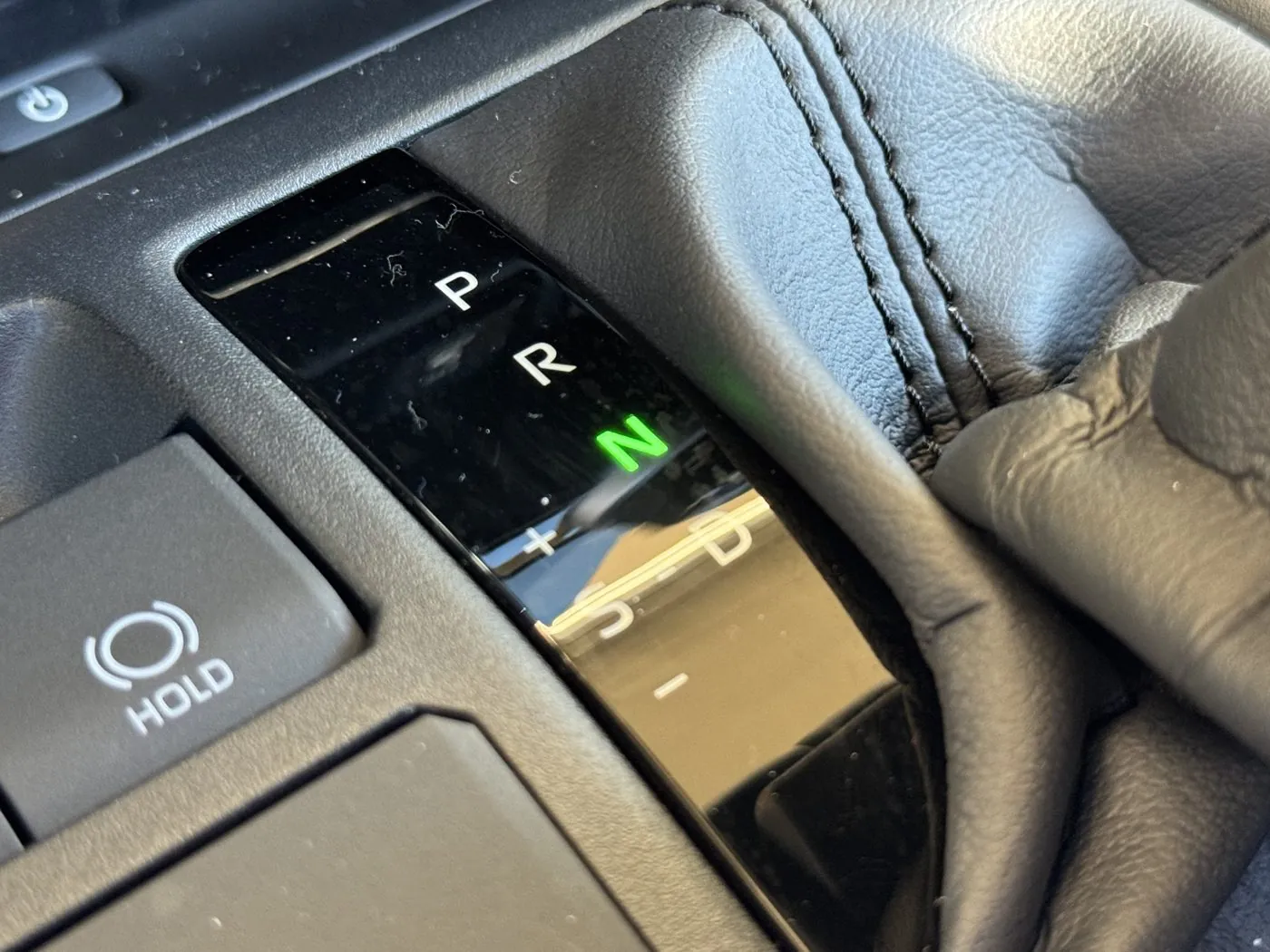
How to take your RAV4 through an automatic car wash
A short checklist of what to turn off before a conveyor car wash, and where each button is. Plus how to keep a 2019 to 2025 or 2026 RAV4 in neutral from start to finish.
The dealer GPS tracker in your RAV4: what it does, where it is, and how to remove it
What the plug-in GPS tracker some Toyota dealers add actually does, whether it can shut off your RAV4, the 10-second check under the driver's side dash, how to take the tracker out, and what to set up if you keep it.
How to set up and use the RAV4 digital rearview mirror
What the lever and each button on the RAV4 digital rearview mirror do, and how to get a clear camera picture with bifocals or at night. I also show how to program the HomeLink garage door buttons on the same mirror.
How to get the big digital speedometer on your RAV4, and set up the gauge screen
The exact steps for the 4.2-inch, 7-inch, 12.3-inch and 2026 gauge screens, plus brightness that's too dim, turn arrows you don't want, tire pressures for each tire, and the blank screen recall.
Where the RAV4 heated steering wheel, wiper de-icer and heated seat buttons are, and how to use them
The heated steering wheel and wiper de-icer buttons on a RAV4 are easy to miss. Here's exactly where they are on every year from 2019 to 2026, what each light means, and which ones you have to press again every drive.
How to use the RAV4 memory seat, link it to your key, and fix a seat that beeps but won't move
The RAV4 memory seat saves two driver's seat positions to the 1 and 2 buttons on the driver's door. Here's how to save a position, tie it to your key fob and fix the most common memory seat problem. And here's how to stop the seat moving by itself, on 2019 to 2025 and on the 2026.
What "PKSB Unavailable" means on your RAV4, and how to fix it
What the PKSB Unavailable message and the flashing PKSB OFF light mean, how to clear the message yourself, the right reset after a 12-volt battery disconnect, and when it's time to see a Toyota dealer.
How to use your RAV4's power liftgate and hands-free kick sensor
Which RAV4s have a power liftgate and a kick sensor, and how to turn each one on or off on every gauge screen. Plus how to kick so the hatch actually opens, and what to do when the liftgate stops halfway and beeps.
How to use the RAV4 rain-sensing wipers, and which way the sensitivity ring turns
The RAV4 rain-sensing wipers start on their own when rain hits the windshield. Here's every wiper stalk position and which way to turn the sensitivity ring. I also cover when to turn AUTO off, and how to fix wipers that are slow in mist or stop working after a new windshield.
RAV4 12-volt battery: where it is, how to jump it, and why it keeps dying
Where the small 12-volt battery sits on every 2019 to 2026 RAV4, Toyota's exact jump-start steps for the Hybrid and Prime, the bulletins and recall behind dead batteries, what to check when it won't go into READY, how to keep it charged, and which replacement battery fits.
Will a RAV4 make it to 200,000 miles? What high-mileage owners report, and how to get yours there
What owners of 2019 to 2025 RAV4s with 100,000 to 200,000 miles report, the weak spot on the gas RAV4 and the RAV4 Hybrid, the maintenance that matters past ToyotaCare, how many miles I'd accept on a used RAV4, and a schedule for 40,000 miles a year.
How to use adaptive cruise control and Lane Tracing Assist on your RAV4
Does your RAV4's cruise work in stop-and-go traffic, and why does the wheel jerk? Here's how radar cruise and lane centering work on every RAV4 from 2019 to 2026.
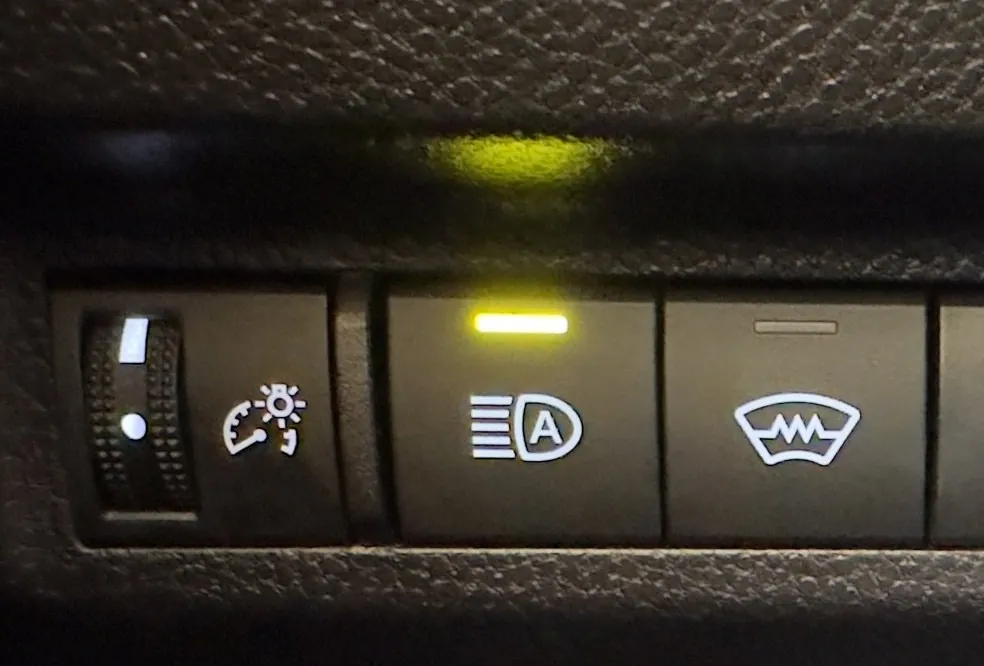
How to turn off the auto high beams on a RAV4, and the other ways to control them
Every 2019 to 2026 RAV4 has auto high beams, which turn your brights on and off by themselves at night. Here's how to turn them off on each model year, how to take over without turning them off, and how to cut down the flickering.
How to turn off auto start/stop on your gas RAV4, and whether it's hurting the engine
Is there a way to make your gas RAV4 stop shutting the engine off at every red light? Here's what the A OFF button does, why Stop & Start comes back on every time you start the car, and whether all that stopping wears out the starter.
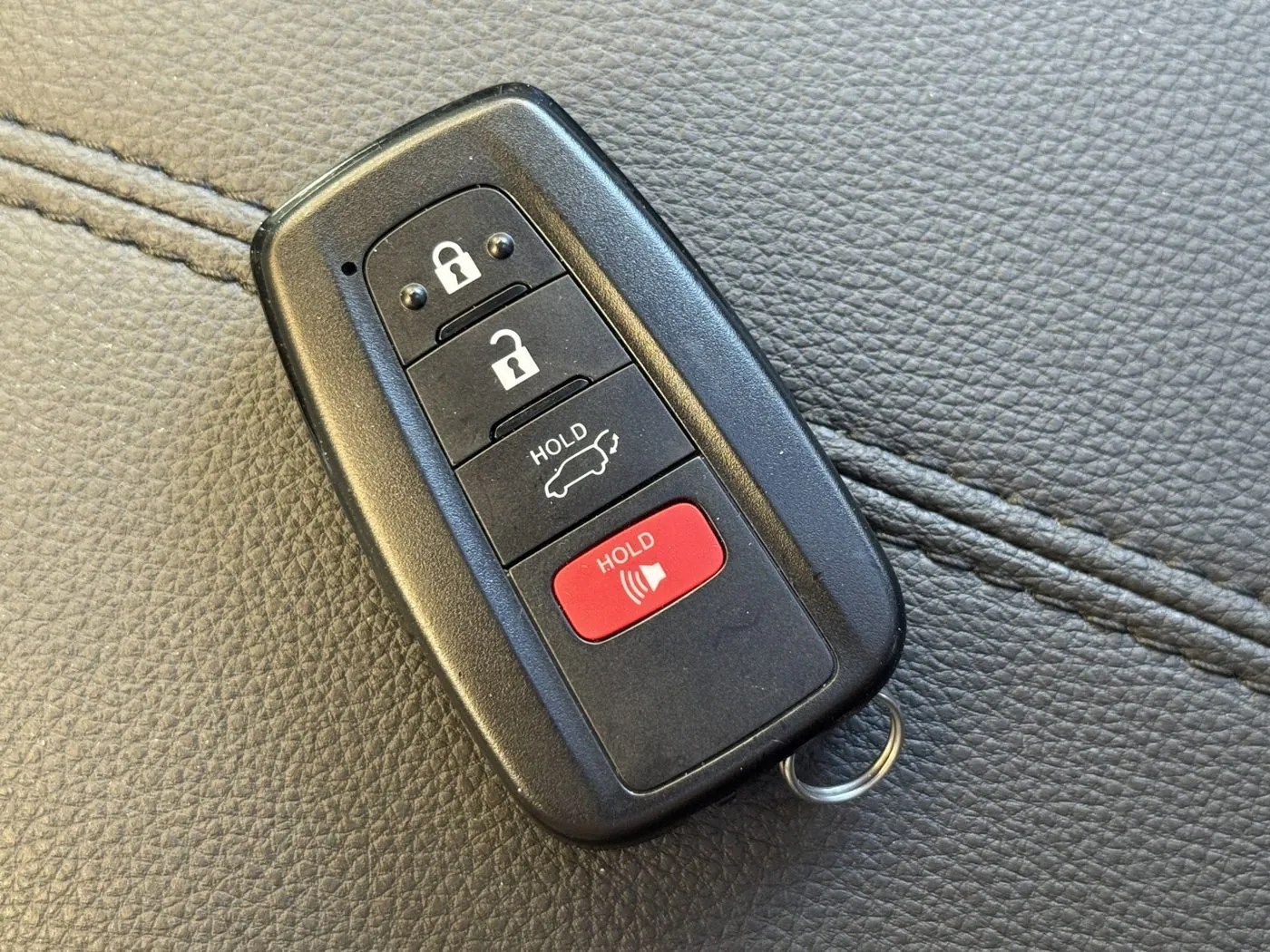
Why is my RAV4 beeping? Every beep explained, and which ones you can turn off
Your RAV4 beeps for a lot of different reasons, and most of them sound alike. Here's what each RAV4 beep means, what sets it off, and which beeps you can switch off on a 2019 to 2025 RAV4 and on a 2026.
How to install a car seat in a RAV4: LATCH anchors, top tethers and the seat belt method
Where the car seat anchors hide in every RAV4 from 2019 to 2026, how to install a car seat with LATCH or the seat belt, which back seat to use, and how much room the front seat has with a rear-facing car seat behind it.
RAV4 CarPlay and Android Auto: setup by year, and what to do when it keeps disconnecting
If your CarPlay won't connect or keeps dropping, this guide covers which RAV4 years are wired or wireless, how to set it up on each screen, the fixes to try in order, and which Toyota bulletin to bring to the dealer.
RAV4 Digital Key: which RAV4s have it, what it costs after the trial, and how to set it up
If you want your phone to be your 2026 RAV4's key, this guide shows which trims have Digital Key, what it costs after the free year, and how to set it up and share it on an iPhone, Pixel or Samsung.
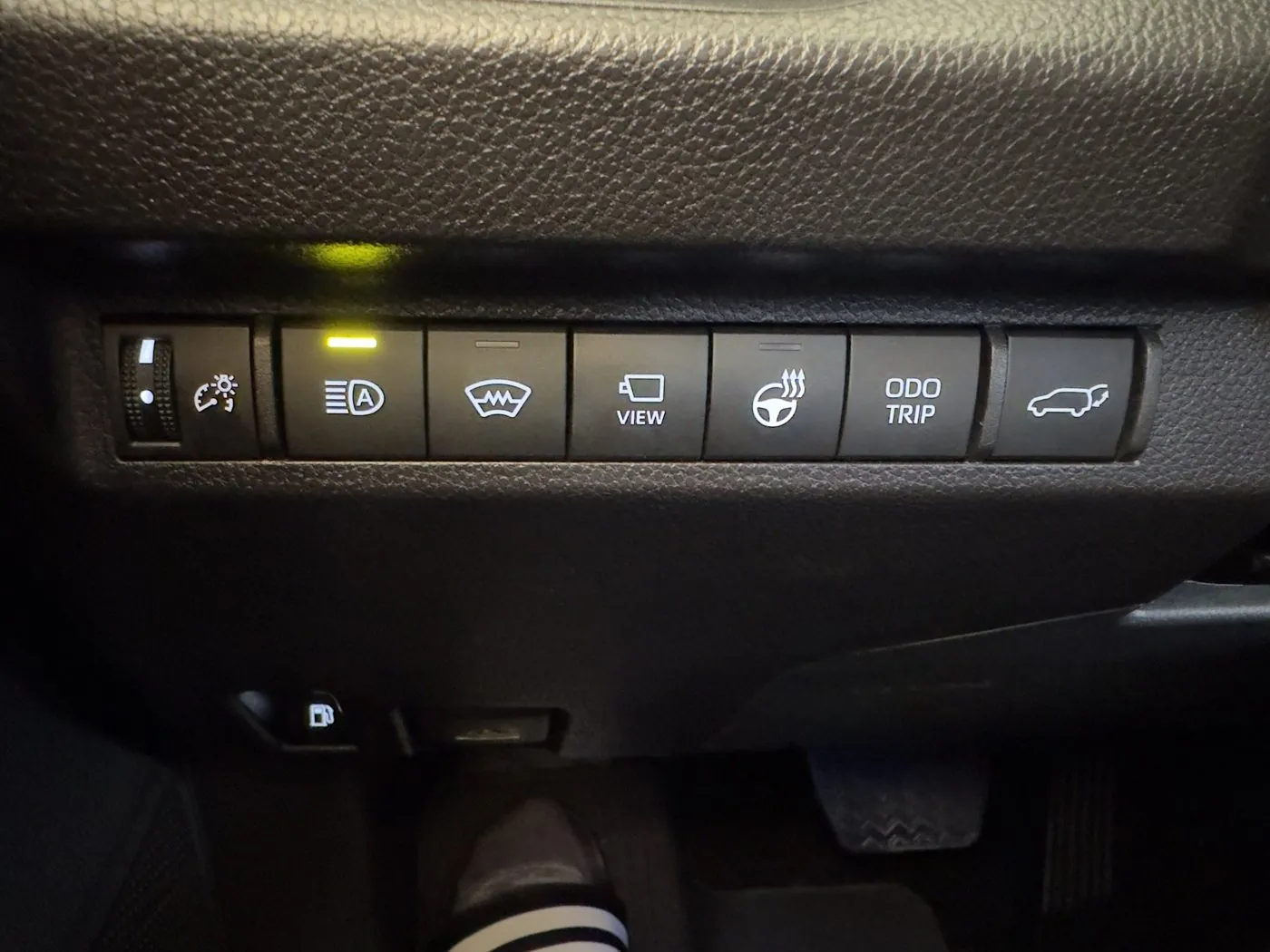
First things to set up on your new RAV4: 17 settings to change in week one
The dealer probably didn't show you most of these RAV4 settings. Here are the 17 worth changing in your first week, which years each one applies to, and the exact steps.
RAV4 2.5-liter engine oil and coolant problems: the coolant valve, milky oil, oil leaks and oil burning
The 2019 to 2025 gas RAV4, RAV4 Hybrid and RAV4 Prime all use the same 2.5-liter engine. Here's which oil and coolant problems are real, which RAV4s they hit, and what Toyota pays for.
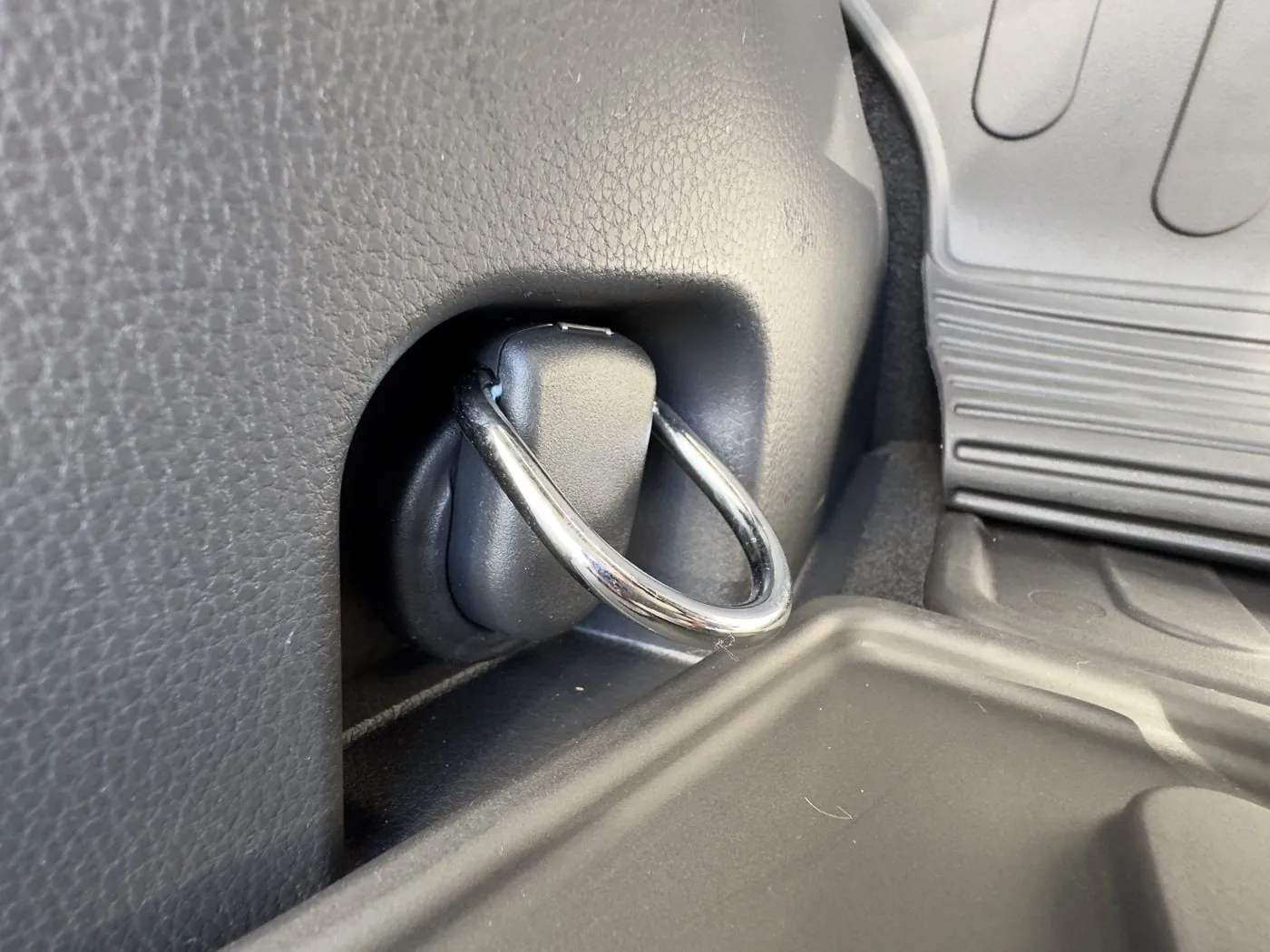
Hidden RAV4 features most owners never find (2019 to 2026)
The dealer never showed you most of these. Here's every useful hidden feature on the 2019 to 2026 RAV4, which years and trims have it, and exactly how to use it.
Is my RAV4 Hybrid battery going bad? P0A80, the cooling filter, and checking it yourself
What the hybrid battery warnings and P0A80 mean on a RAV4 Hybrid, the cheap filter clean that prevents them, and what an OBD2 app can and can't tell you.
RAV4 Hybrid cable corrosion: which years, what Toyota covers, and how to check your VIN
The high-voltage cable to the rear motor on 2019 to 2024 RAV4 Hybrids and 2021 to 2024 Primes can corrode from road salt. Here's how to spot it, what Toyota fixes for free, and the deadline that keeps your coverage.
RAV4 Hybrid drive modes: what the EV button does, why it turns off, and which mode saves gas
How the EV button, Eco, Normal and Sport work on a 2019 to 2025 RAV4 Hybrid and a 2026 RAV4 Hybrid, what each "EV Mode" message means, and which mode is best for mpg.
RAV4 Hybrid gas tank won't fill all the way: which ones have the problem, Toyota's free fix, and what's normal
Some 2019 to early 2021 RAV4 Hybrids click off at about 9 gallons after the low-fuel light. Here's how to tell if yours is one of them, how to get Toyota's free fix before the coverage runs out, and what to check on a used one.
RAV4 Hybrid in hot weather: the battery, the AC and towing
If you own or are shopping for a RAV4 Hybrid in places like Arizona, Texas and Southern California, this guide is for you. Here's how the heat affects the RAV4 Hybrid's mpg and hybrid battery, and the few simple things that keep the hybrid battery cool.
RAV4 Hybrid hypermiling: the screens, pulse and glide, remote start and mpg myths
How to use the RAV4 Hybrid's own screens to coach your driving, which hypermiling tips actually work, what a remote start really costs, and which mpg myths to skip.
RAV4 Hybrid mpg: why you're not getting 40, how to get 40+, and why it drops in winter
What a 2019 to 2026 RAV4 Hybrid really gets by year, trim, speed and season, which habits actually raise the number, and how to tell a normal drop from a real problem.
RAV4 Hybrid sounds explained: which noises are normal and which aren't
The brake pump whir, the clank under the back seat, the hum after you park, rusty brakes and an engine that keeps running. Here's what each RAV4 Hybrid sound is and when each sound means something's wrong.
Sitting in a parked RAV4 Hybrid: accessory mode vs READY, the AC and heat, and what stays on after you shut the RAV4 Hybrid off
This guide is for car campers, parents waiting at pickup, and anyone sitting with a dog in the back. Here's how to sit in a 2019 to 2025 RAV4 Hybrid with the radio, AC or heat on without draining the 12-volt battery, and how the gas RAV4 compares.
RAV4 key fob battery: which one, how to change it, and how to start with a dead fob
"Key Battery Low Replace Key Battery" isn't a problem with your RAV4. It's the small coin battery inside your key fob. Here's which battery your RAV4's fob takes, how to swap it, and how to start the RAV4 even when the fob is completely dead.
Does RAV4 key fob remote start need a subscription? Why it stopped, and how to get it back
The hidden lock, lock, hold lock trick on the RAV4 key fob depends on Toyota's Connected Services trials. Here's which RAV4s have key fob remote start, why it quits for some owners and not others, and your options if it stopped.
How to turn off lane departure beeping and lane assist on your RAV4
Why does your RAV4 keep beeping and tugging the wheel, and how do you make the beeping stop? Here's which button or menu stops which beep and tug on every RAV4 from 2019 to 2026, and whether the lane system stays off after a restart.
How to reset the maintenance required light on a 2019 to 2026 RAV4
The steps for your year and gauge screen, what the reminder actually counts, and which warning messages are not a reminder at all.
RAV4 maintenance schedule: what Toyota requires at 30,000 miles, and what the dealer adds
Toyota's own maintenance schedule for every 2019 to 2026 RAV4, RAV4 Hybrid and RAV4 Prime, interval by interval, with what's required, what's only for hard driving, and what's a dealer extra.
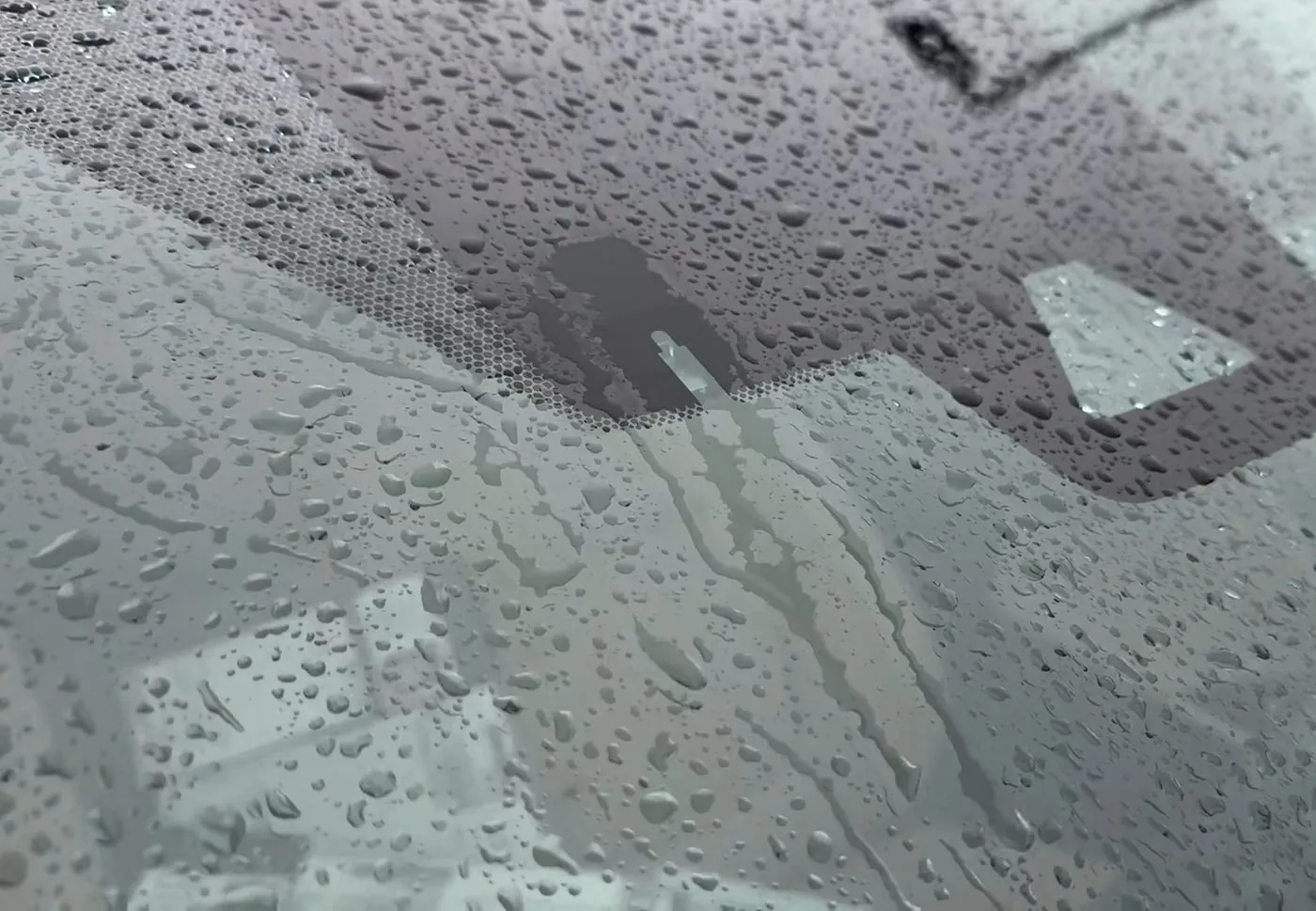
How to clean your RAV4's windshield and windows without harsh chemicals, and what works best
Five gentle ways to clean RAV4 glass, ranked by how well they work. Plus the owner's manual warnings for the rear window, front camera, rain-sensing wipers and digital rearview mirror.
The best places to learn about your RAV4 and find other RAV4 owners
When you own a RAV4, you start wondering where other owners hang out and where to get real answers. Here's the top pick for every topic, plus the other good options and the catch with each one.
"Pre-Collision System Unavailable" and "Radar Cruise Control Unavailable" on a RAV4: what they mean and how to fix them
Is it broken, or is it just snow? What the messages mean on every 2019 to 2026 RAV4, where the radar and the windshield camera are, what to clean, what to do after a new windshield, and the signs of a real fault that needs a Toyota dealer.
RAV4 Prime and Plug-in Hybrid home charging: is a regular outlet enough, or do I need Level 2?
Charge times on 120 and 240 volts for every plug-in RAV4 from 2021 to 2026, the charger and circuit each one can actually use, what an install costs, and how to make the charging schedule behave.
RAV4 power outlet: which RAV4s have the 120-volt outlet, what it runs, and camp mode
Which RAV4s have a 100-watt or 1,500-watt household outlet, how to turn the outlet on with the car parked, what it can run and for how long, and what Toyota says about running a RAV4 Hybrid all night for heat or A/C.
RAV4 Prime battery health: is charging to 100% bad?
What Toyota's manual says about charging to full, how much electric range owners report losing, what the warranty covers, and how the car drives when the electric range runs out.
RAV4 Prime and Plug-in Hybrid drive modes: EV, AUTO EV/HV, HV and Charge mode, and which to use when
What each drive mode on a plug-in RAV4 does, which button changes it on the 2021 to 2025 RAV4 Prime and the 2026 RAV4 Plug-in Hybrid, and which mode to use for a commute, a highway drive and a road trip.
RAV4 Prime maintenance when the engine barely runs
Oil change timing, old gas in the tank, the add-fuel message and real service costs for a plug-in RAV4 that mostly drives on electric.
Every RAV4 Prime and Plug-in Hybrid recall, and what to do about each one
I go through every recall on a 2021 to 2026 plug-in RAV4, the DC-DC converter recall and its cold-weather charging rule in plain words, what each charging warning message means, and the Toyota bulletins behind code P1CCC96 and other charging problems.
RAV4 rattles and leaks: what Toyota fixes for free, and what you fix yourself
Water dripping from the headliner, side mirrors that shake on the highway, a rattle by the front seat belt. Here's which of these Toyota fixes, who pays, and how owners track down the rest.
RAV4 road noise: how loud is it on the highway, and is something wrong with mine?
People say the RAV4 is loud on the highway. Here's how loud the RAV4 actually measures next to its rivals, where the noise comes from, which sounds mean something's wrong, and which fixes work.
RAV4 rust protection: washing off salt, undercoating and a spring check
What Toyota's rust warranty covers, how to rinse salt off a 2019 to 2026 RAV4's underside, which parts actually rust, when an oil spray makes sense on a gas, Hybrid, Prime or Plug-in Hybrid, and the spring check.
RAV4 screen frozen or black: how to restart it, check your software version and update it
If the center touchscreen in your RAV4 freezes, goes black or keeps rebooting, here's the 3-second restart, Toyota's fixes by year, and how to update the screen's software yourself.
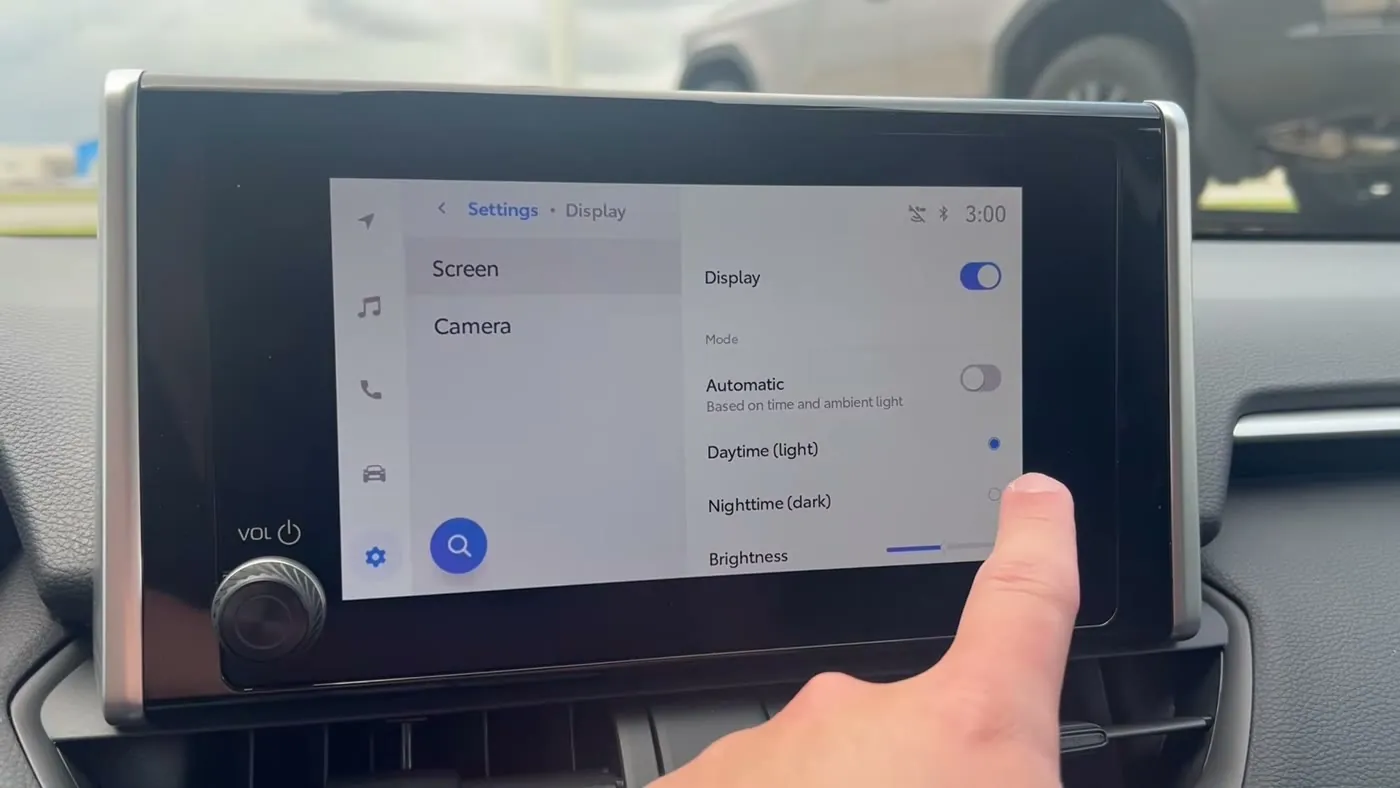
RAV4 screen too bright at night? How to dim it, use night mode or turn it off
Here's how to tame a RAV4's center touchscreen on a night drive, on each model year from 2019 to 2026, including whether a 2023 to 2025 RAV4 can do what the 2026 does.
How to reset the tire pressure light on a 2019 to 2026 RAV4
There's no reset button on a 2019 or newer RAV4. Here are the exact steps on each screen, when you don't need to reset at all, and how to set up winter wheels and new sensors.
How to install a trailer hitch and trailer wiring on a RAV4, with no drilling
Step by step for the bolt-on 2-inch hitch and the plug-in trailer light harness on every RAV4 from 2019 to 2026, gas, Hybrid and Prime, plus what you add for a 7-pin plug and a brake controller.
Sharing a RAV4 between two drivers: both phones, both profiles and the Toyota app
If you and your partner both drive the RAV4, this guide shows how to get both phones working and how to add the second driver's profile. It also covers how two people can share remote start in the Toyota app, for 2019 to 2026.
RAV4 windshield cracked for no reason: is it a defect, and who pays?
Owners say their RAV4 windshields cracked with nothing hitting them. Here's what the records actually show, who usually pays, which glass to ask for, and why the camera has to be recalibrated after.
RAV4 winter prep: clear windshields, frozen doors, block heaters and a checklist
The defrost settings that clear a 2019 to 2026 RAV4's windshield fastest, how to open a frozen door, liftgate, fuel door or charge port without breaking anything, which RAV4s can take a block heater, and what to do before the first snow.
The Toyota app on a RAV4: what's free, what costs money, and what to keep
When you link your RAV4 to the Toyota app, it walks you through a lot of trials and paid plans. Here's what each one does, what it costs when the trial ends, and what you already get free. And I cover how to link every RAV4 year and what to do when the app won't work.
How to stop the Toyota welcome screen, and whether you need to link your RAV4
The Toyota welcome screen on your RAV4 keeps asking you to link the car to the Toyota app. Here's how to make it go away for good, and what you give up if you never link it.
How to turn off your RAV4's automatic parking brake (PKSB)
The switch that stops your RAV4 from slamming on the brakes while you park is not the same switch as the parking beeps. Here's exactly which switch does what, where to find the PKSB switch on your RAV4, and how to turn PKSB back on.
- Toyota: the fuel pages of the 2019 to 2026 RAV4, RAV4 Hybrid, RAV4 Prime and 2026 RAV4 Plug-in Hybrid owner's manuals (identical wording in all twelve), the 2025 RAV4 Hybrid Warranty and Maintenance Guide, Toyota's hybrid fueling video, and Toyota's engine pages from Toyota global and Toyota Canada. Engine knock details from Vehicle Service Pros and Wikipedia's octane rating, engine knocking and Atkinson cycle pages.
- Tests: AAA's 2016 premium fuel report and 2016 fuel quality report, and Consumer Reports, September 2016.
- Prices and mpg: EPA combined mpg from fueleconomy.gov. Price gaps from AAA's Oregon and Washington prices and AAA national prices on October 29, 2026, and the EIA weekly US prices for the week of October 26, 2026. The yearly costs are my math at 15,000 miles.
- Gas and stations: the Top Tier brand list and Top Tier FAQ, the EIA on where gasoline comes from, Chevron's Techron history, Chevron with Techron, Shell V-Power NiTRO+ and Exxon Supreme+.
- Ethanol and Oregon rules: fueleconomy.gov on ethanol and cold weather, Oregon's fuel rule OAR 603-027-0420, the Oregon Department of Agriculture motor fuel page, KTVZ, March 2019 on the Bend diesel mixup, and SlashGear on tanker deliveries.
- Videos and owner reports: the ChrisFix, Everything Lexus and Engineering Explained videos linked above, the STILLEN dyno thread, Torque News, and owner posts on RAV4World, PriusChat, Tacoma World, 4Runner, Land Cruiser and Club Lexus forums.
RAV Buddy is an independent fan site. We're not affiliated with or endorsed by Toyota. RAV4 is a trademark of Toyota Motor Corporation.